A crack keeps returning.
Sealing the surface may leave the cause untouched. Look at the crack pattern, whether it is changing, and what is happening nearby.
Understand recurring cracks ↗
North Las Vegas, Nevada
Residential + commercial
A crack keeps returning. A floor feels different. Valley Foundation Repair offers and manages residential and commercial foundation repair in North Las Vegas and nearby areas. Start with the cause of the movement, then match the repair and budget to the support your building needs.
Tell us what’s changed ↗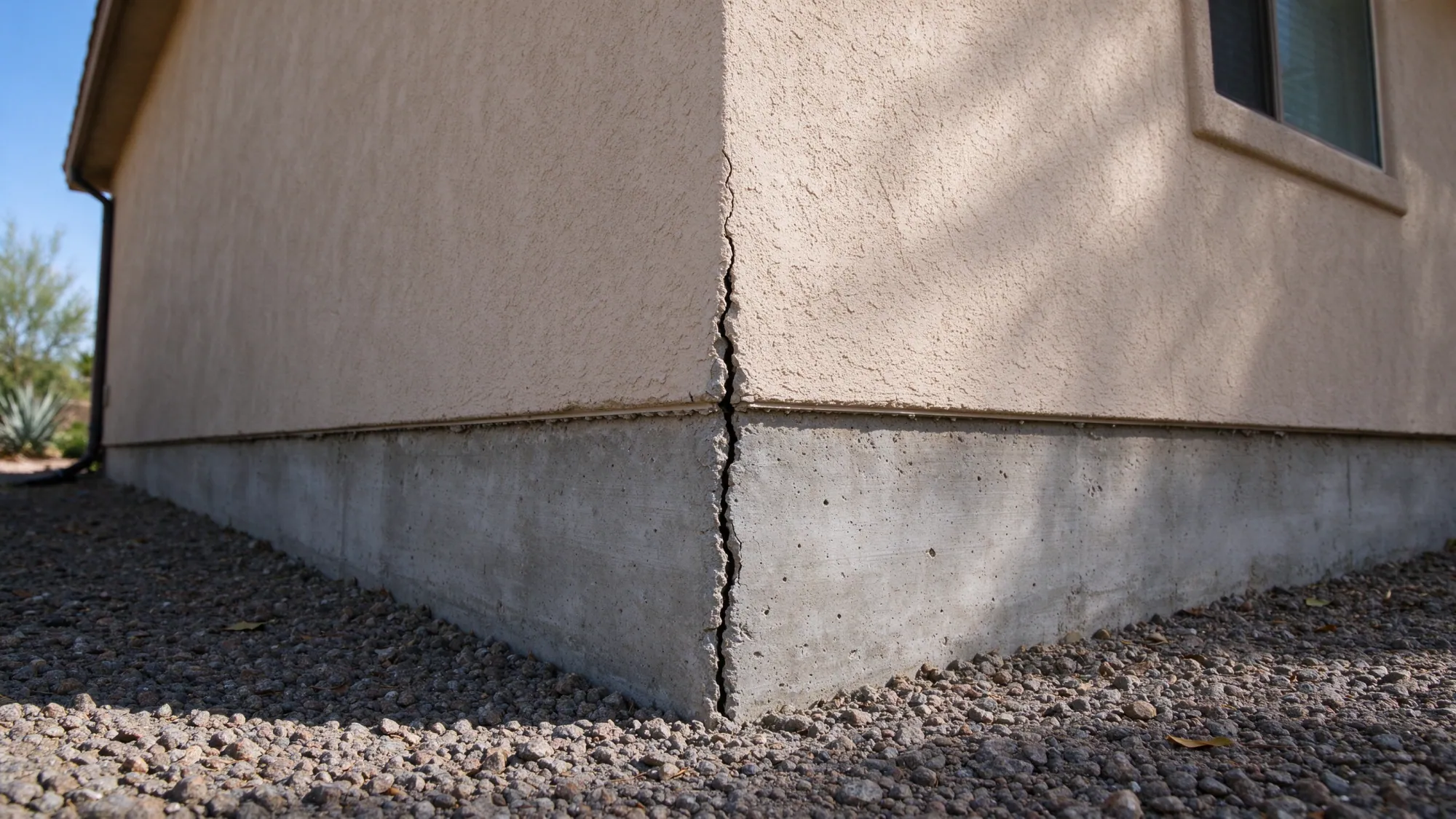
Similar symptoms can lead to very different repairs. The useful question is what changed beneath or within the building.
A crack keeps returning.
Sealing the surface may leave the cause untouched. Look at the crack pattern, whether it is changing, and what is happening nearby.
Understand recurring cracks ↗The floor feels out of level.
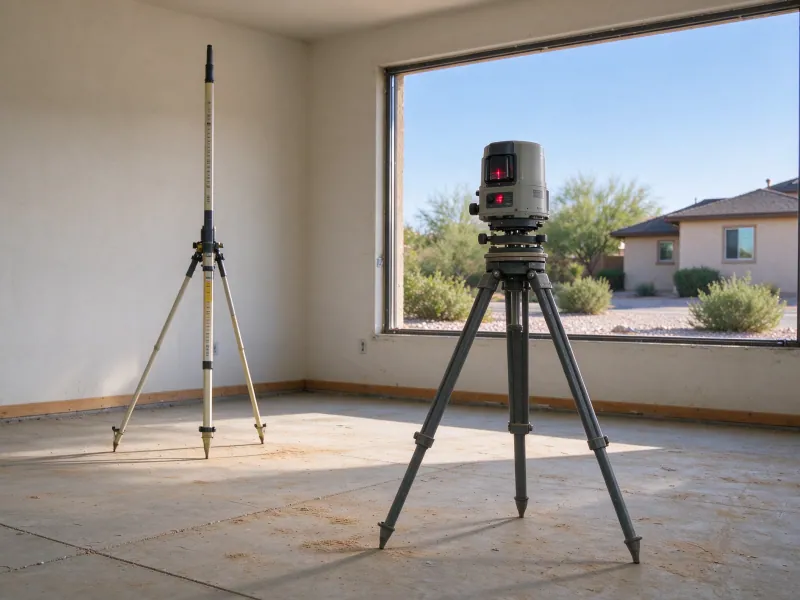
A floor elevation survey can document differences. The next step is to understand whether the movement is settlement, heave or another condition.
Compare the repair paths ↗A report raises questions.
A soils report, inspection finding or contractor proposal should connect the evidence to the work. Clear assumptions make recommendations easier to compare.
Plan the next assessment ↗A renovation exposes damage.
A newly uncovered crack may be old or active. Record it before it is covered, and identify whether the affected concrete supports the building.
Understand the foundation system ↗Valley Foundation Repair offers and manages residential and commercial foundation repair. Work is fulfilled by licensed and insured contractors. The building’s condition determines which scope belongs in the plan.
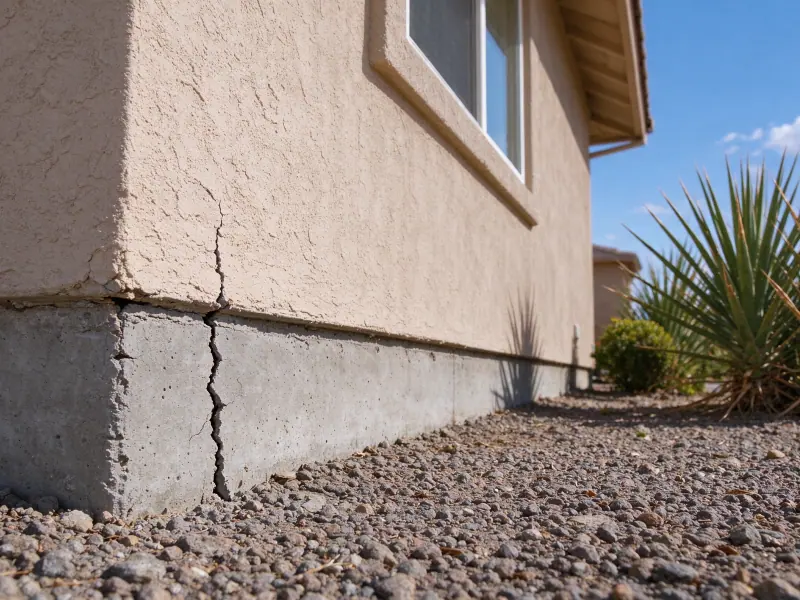
Foundation crack repair
Find out whether a crack needs sealing, structural repair or a closer look at the support below.
↗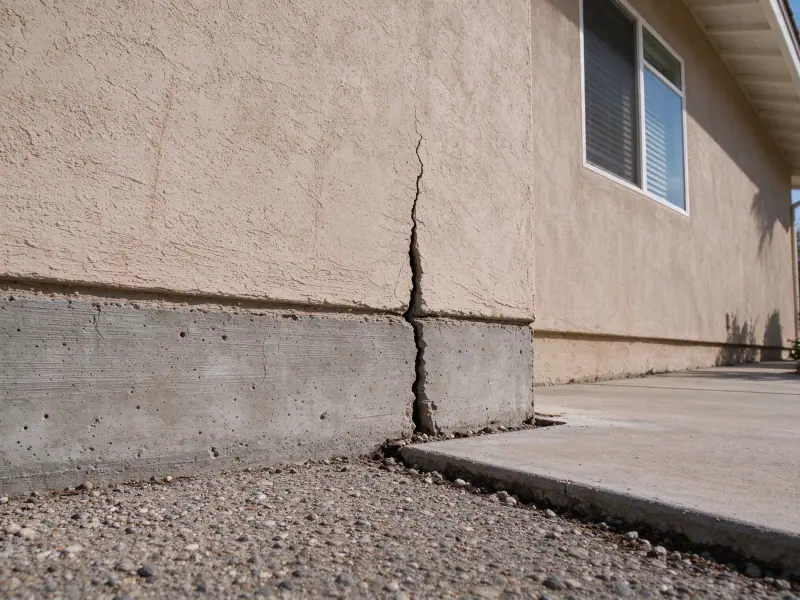
Settlement repair
Address uneven movement by understanding the ground, the building loads and where support has changed.
↗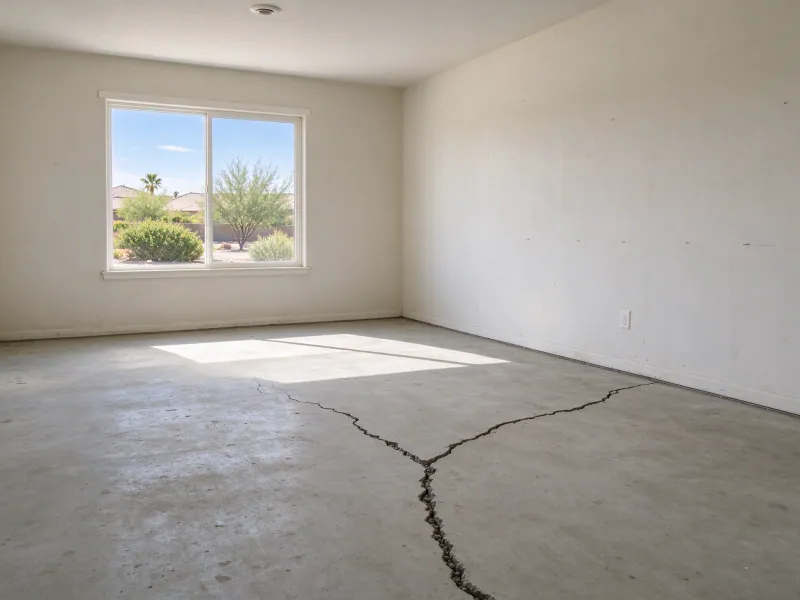
Slab foundation repair
Plan repairs to the building’s foundation slab, with attention to support, access and the construction details.
↗
Foundation underpinning
Compare pier options and the engineering needed to transfer building loads to suitable support.
↗
Foundation heave repair
Investigate upward movement before choosing a method. Lifting a building is not the answer to every movement problem.
↗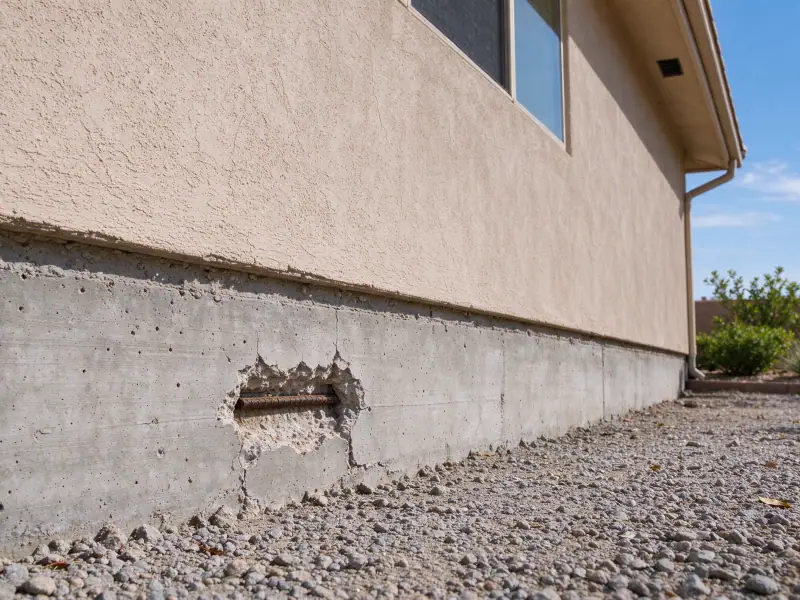
Stem-wall repair
Assess the condition of the foundation wall and what repair or reconstruction would involve.
↗
Commercial foundation repair
Coordinate structural scope with tenant access, building operations and the people responsible for the property.
↗
Foundation assessment
Start with the symptoms and records, and establish when an independent engineer or soils investigation is needed.
↗Make the next step a useful one.
Share the property, the visible change and any existing reports. Establish what needs assessment before choosing a repair.
Get an Estimate ↗Start with the work being priced. A crack injection, a structural slab repair and installed foundation piers are different scopes.
Hairline crack injection
Injection repair of a suitable hairline foundation crack. Structural movement may require a different scope.
Structural slab repair
Building slab-foundation stabilization or lifting. Driveway and patio leveling are different work.
Foundation underpinning
Installed foundation-support pier. Pier count, depth and access affect the overall repair budget.
Start with your repair scope.
Share the property location, what you have noticed and any existing reports. Start with the concern so the assessment can be defined.
(725) 999-4951| Repair path | What it addresses | What to establish first |
|---|---|---|
| Crack injection | A suitable crack within the foundation material | Crack condition and whether movement is continuing |
| Underpinning | Transfer of building loads to suitable support | Loads, attachment details and ground conditions |
| Ground treatment / void filling | Specific soil or void conditions beneath a slab | Cause, treatment suitability and structural requirements |
The right proposal explains why the method fits the findings, including what the work will leave untouched.
First conversation.
Share the property location, what changed and any reports or earlier repairs.
Assessment.
Review visible symptoms and access, then define the need for measurements, independent engineering or soils investigation.
The work.
Follow the agreed repair sequence, with permit responsibilities, inspections and restoration limits defined in the scope.
Completion.
Review the specified installation records, required sign-offs and restored surfaces against the written proposal.
Aliante to Craig Ranch, homes to business properties. The project address establishes the utility, permit office and site records needed for the work.
All service areas ↗What is happening to the foundation?
Foundation types, warning signs and why symptoms need context.
Understand foundation problems ↗Underpinning or slab leveling?
Understand the difference between moving a slab and transferring building loads.
Explore foundation underpinning ↗A clearer starting point.
Repair-budget and assessment tools will help organize the next step.
Use the free planning tools ↗No. Crack location, shape, change over time and nearby symptoms all matter. A drywall crack alone does not establish a foundation defect. Photograph what you can see and note when it appeared so an assessment can consider the pattern.
Different soil conditions can produce different movement. Loss of support or wetting collapse can allow settlement, while moisture changes or chemical reactions can contribute to heave. A neighborhood name or soil map cannot identify the cause at one property.
An independent structural engineer can evaluate the building and provide recommendations separately from a contractor’s repair proposal. Significant movement, conflicting recommendations or a repair requiring design are reasons to clarify that role early.
Crack injection and structural stabilization address different things. Injection may repair a suitable crack, but it does not automatically restore lost bearing or stop active movement. The estimate should explain whether support work is also needed.
Hard material at one depth is not enough to establish suitable bearing. Layer thickness, continuity, the building loads and the surrounding soils affect the decision. A geotechnical investigation can address conditions that a surface observation cannot.
Bring photographs, dates of visible changes and any previous reports or repair proposals. Building plans, a soils report and information about plumbing leaks or drainage changes can also help define what needs investigation.
Access and sequencing should be part of the proposed scope. Identify occupied areas, critical entrances, utilities and operating restrictions before work is priced. Whether an area must close depends on the condition and the repair design.
They transfer loads using different installation methods. Building weight, attachment details, soil conditions and access influence the design. Compare proposals on their engineering assumptions and scope rather than choosing from the pier name alone.
The project address determines the jurisdiction. North Las Vegas, Las Vegas and Henderson have their own building departments; unincorporated areas such as Sunrise Manor, Spring Valley and Enterprise generally fall under Clark County.
It should identify the problem being addressed, the method, the work limits and who handles engineering or permits where required. Access, finish restoration, exclusions and monitoring responsibilities should be clear enough to compare with another proposal.
Tell us what’s changed.
Share the property location, what you have noticed and any existing reports. Start with the concern so the assessment can be defined.
(725) 999-4951