Last Updated: October 22, 2026
Valley Foundation Repair offers and manages foundation crack repair for residential and commercial properties in North Las Vegas. Work is fulfilled by licensed and insured contractors. A suitable crack may need material repair, but a crack caused by changing support needs a different conversation. The purpose of assessment is to separate those decisions before a surface treatment becomes the whole repair plan.
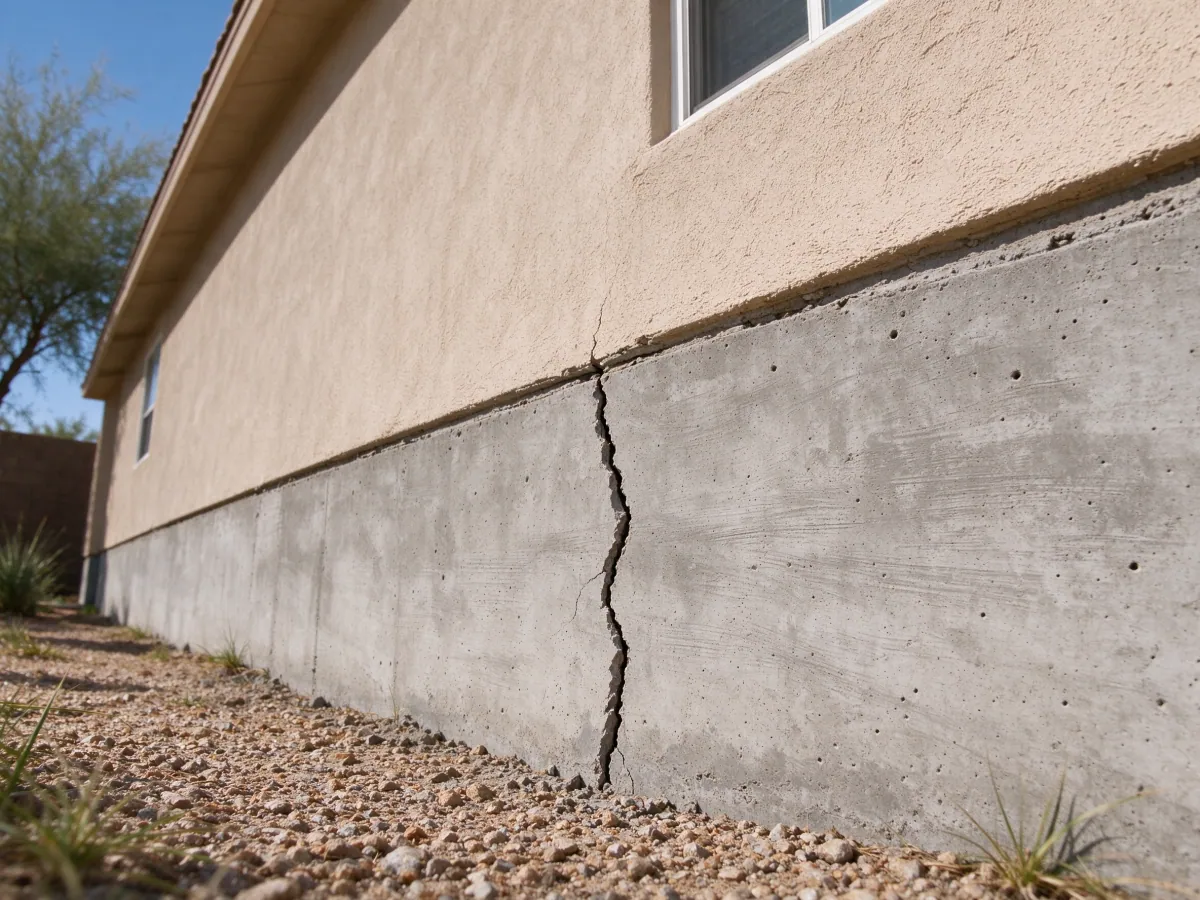
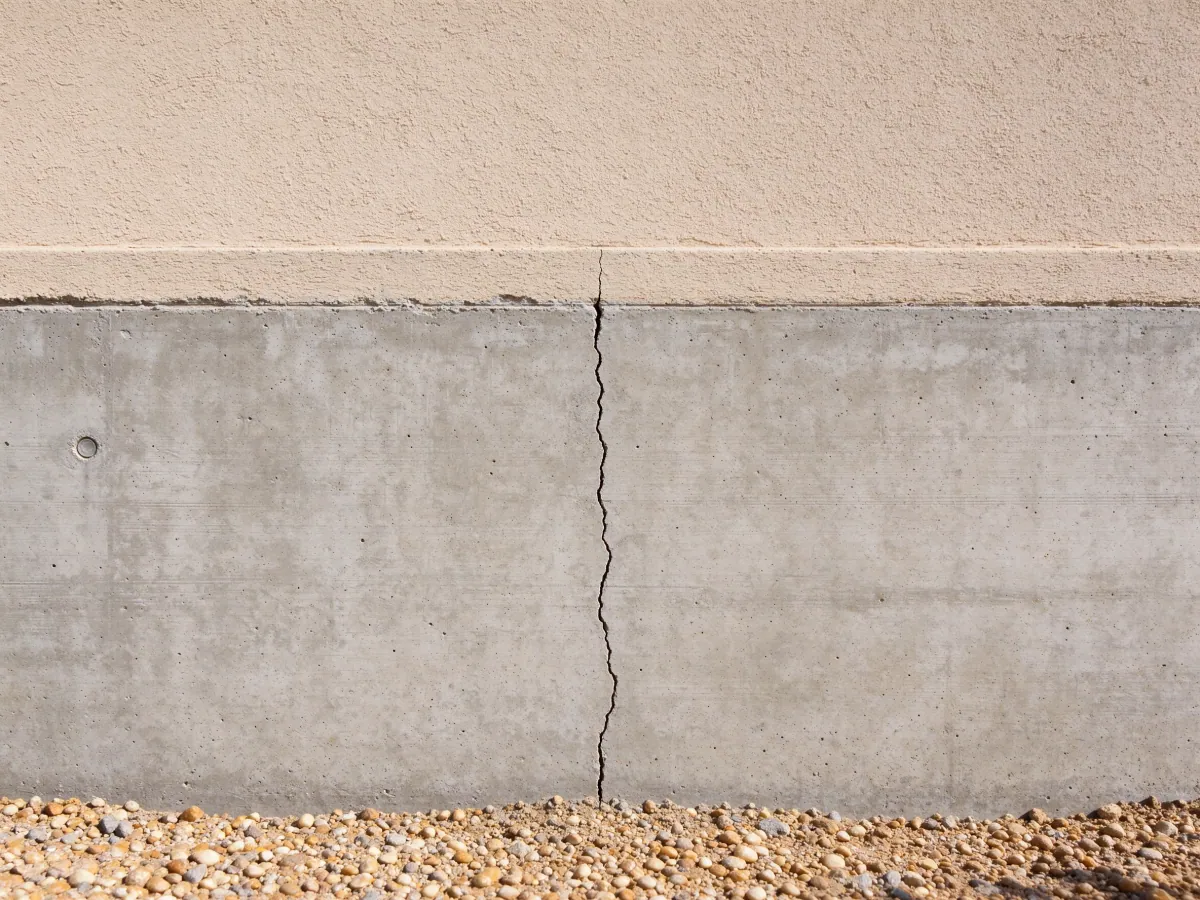
A new line in exposed concrete, a recurring finish crack or a crack discovered during flooring work can each trigger an inspection. The visible opening is useful evidence. Its width or direction alone does not reveal the footing condition, reinforcement or ground beneath the building. Start with the pattern and history, then establish what the repair must accomplish.
What happens on the first visit
The review begins with the affected location, when you noticed it and whether it appears to be changing. Earlier photographs, inspection findings and previous repair proposals help explain what has already been tried. We review visible symptoms and access, then define whether the next step needs measurements, independent structural engineering or a soils investigation. Those professional roles remain distinct from pricing the crack treatment.
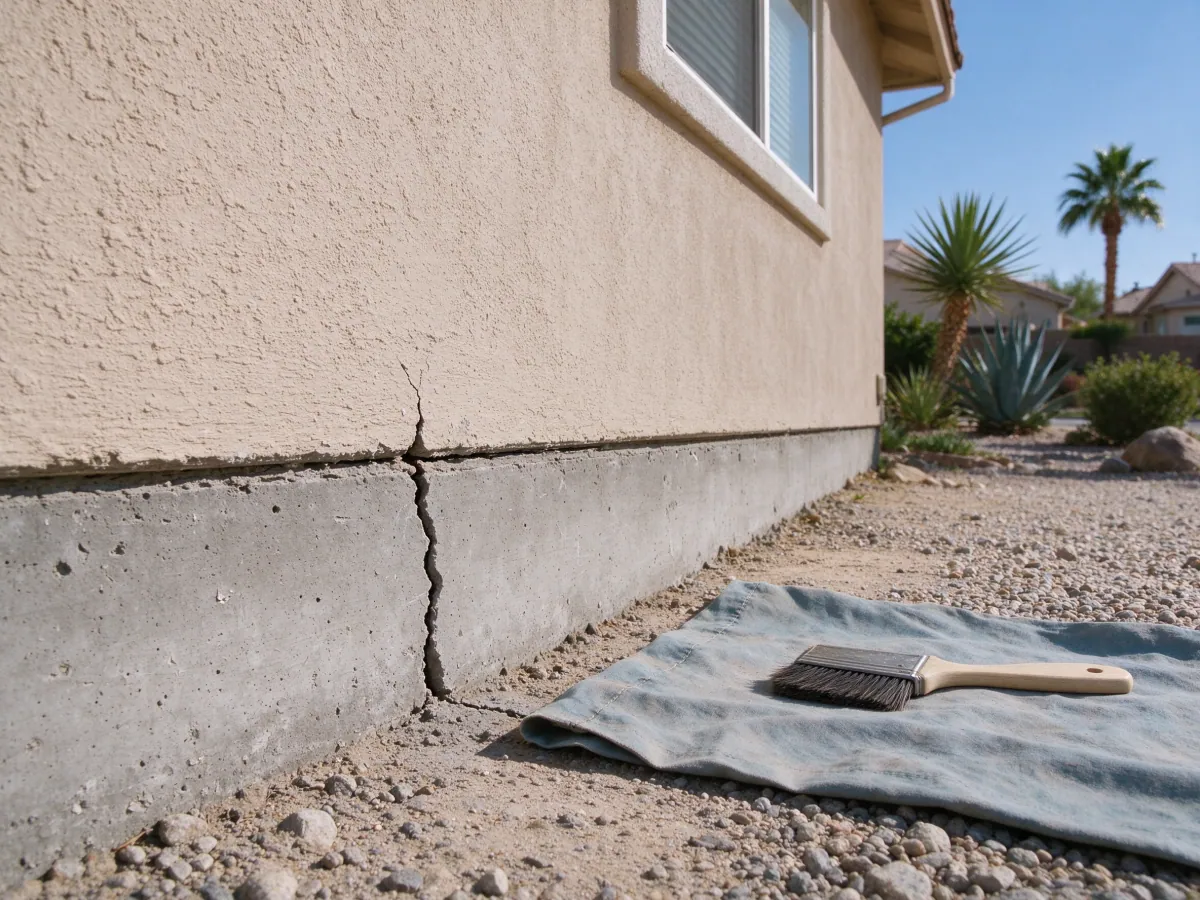
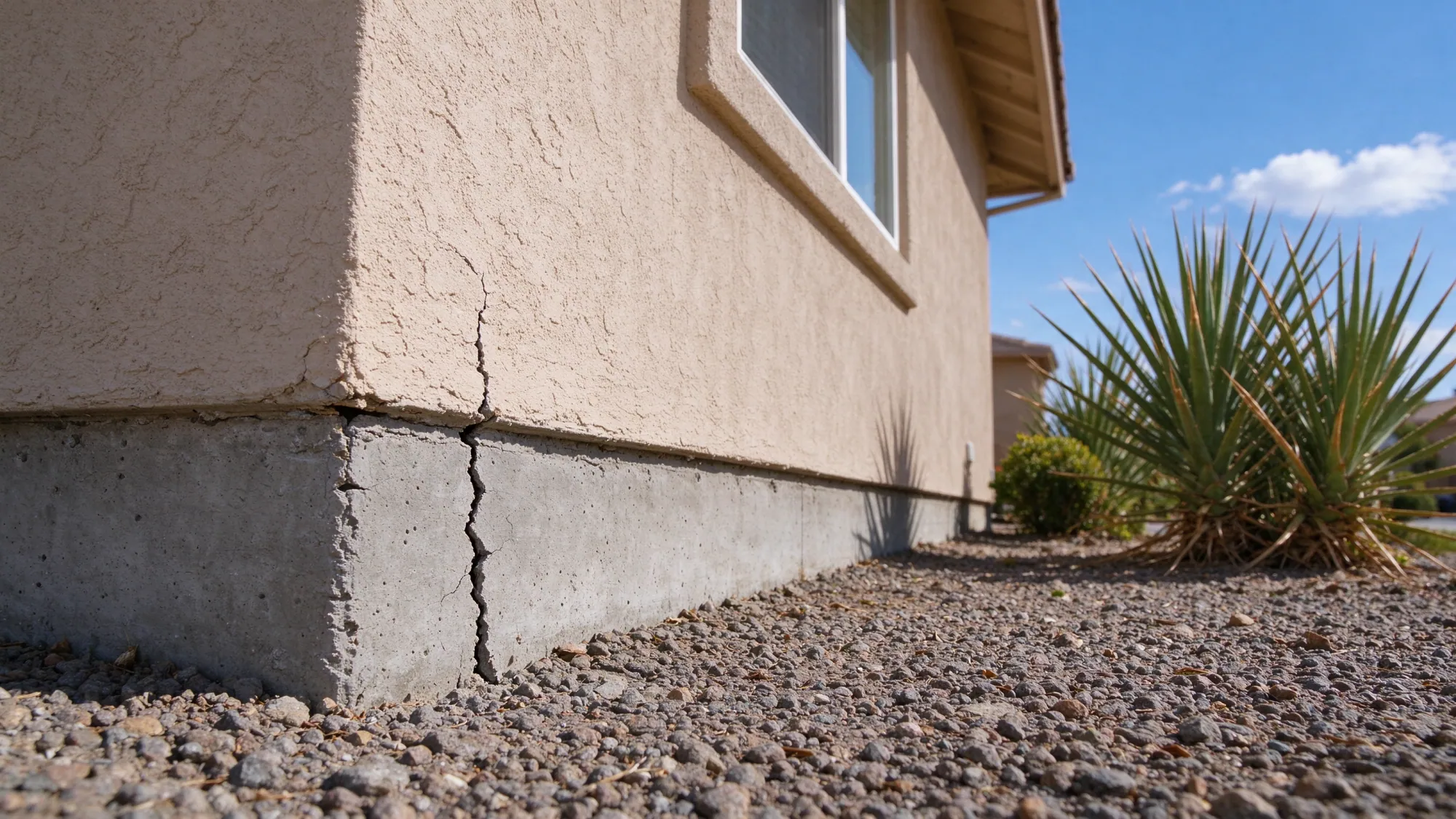
Look beyond the closest view. A photograph showing the wall, corner or floor joint can help place the crack in the building. Doors that changed operation, nearby separation and floor elevation differences may also belong in the assessment. Record observations without assuming they share a cause. A contractor needs to understand the connected pattern rather than treating each mark as an isolated sale.
Crack direction is evidence, not a repair specification
Vertical cracks can have several causes, including concrete shrinkage or movement. A horizontal line can raise different questions about loading, restraint or the construction joint, but orientation cannot establish the answer by itself. The affected element matters: a crack in a structural slab, a stem wall and a floor finish involves different material and load-path questions.
Cracks crossing corners, continuing through connected elements or appearing with separation need context. A discontinuity may follow a weak plane in the material rather than indicate one simple direction of movement. The assessment should explain how its proposed cause fits the whole pattern, including any evidence that remains concealed. There is no reliable rule that every vertical crack is harmless or every horizontal crack requires the same repair.
A cracked floor slab also needs identification. Some floor slabs are separate from the perimeter foundation, while others are structural parts of the support system. Repairing a finish or filling a separate slab crack does not automatically restore wall support. The structural versus nonstructural crack guide explains why that distinction controls the work.
Epoxy and polyurethane do different jobs
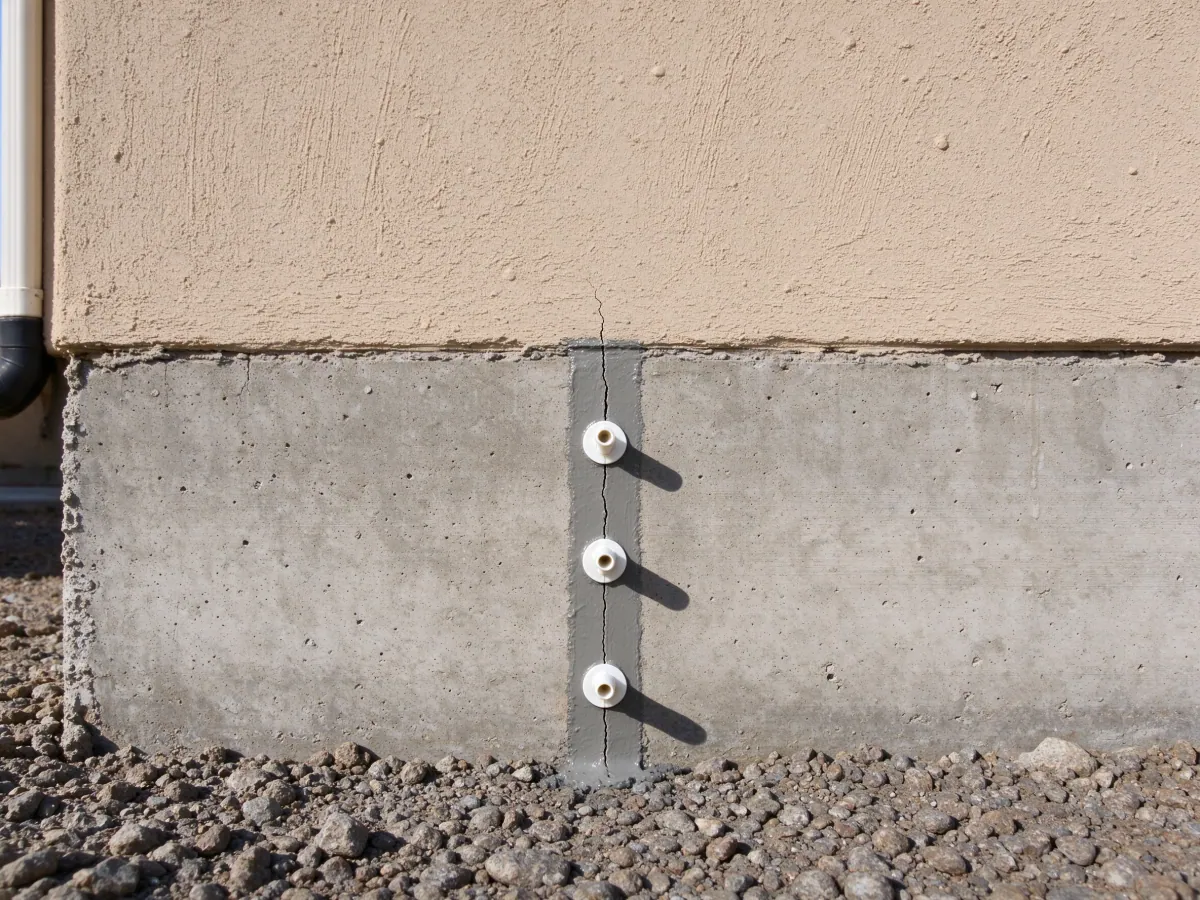
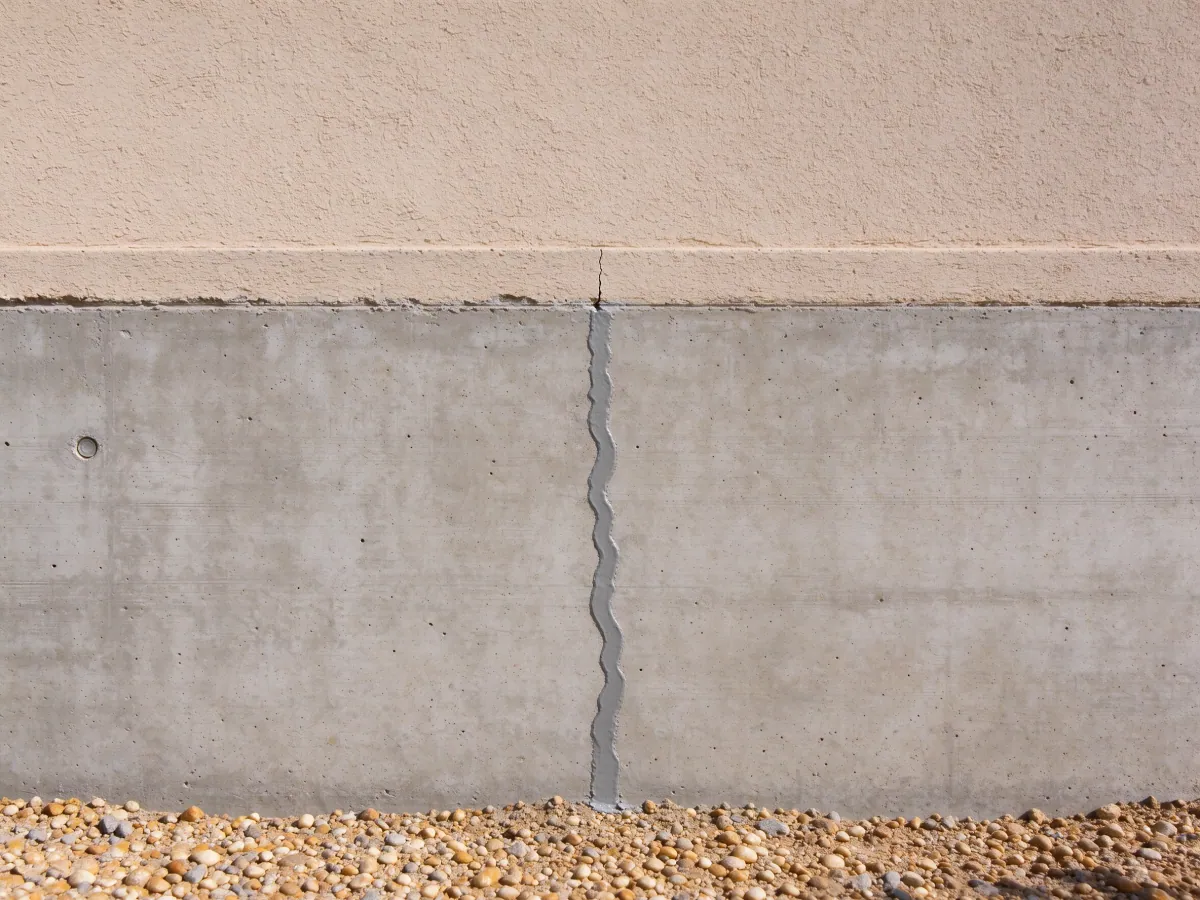
Epoxy injection can form a bonded repair in suitable concrete under the conditions specified for the selected material and design. Preparation, crack access and the condition of the surrounding concrete affect the result. A product capable of high bond strength cannot compensate for unsound material, an unresolved moving joint or a connection that requires a different structural detail.
Polyurethane injection is used for suitable sealing applications, including certain water pathways. Its purpose should be stated clearly. Closing a water path through a crack does not rebuild a deteriorated structural section or transfer a building load to deeper bearing. Material flexibility and moisture compatibility need to match the application instead of being treated as proof that the treatment suits every opening.
Ask what performance is intended and how the contractor will prepare the crack. Surface preparation, access points, injection procedure and finish treatment should follow the specified system. The proposal also needs to identify what remains untreated, especially where the crack continues behind finishes or into an inaccessible area. Concealed extent may require further investigation before that boundary can be defined.
A returning crack needs the cause reconsidered
A patch can conceal a symptom while the building continues to move. Repeating the patch with a stronger material may still leave lost bearing, moisture changes or a damaged connection unresolved. Where settlement contributes, foundation settlement repair addresses the support decision. Where the foundation has moved upward, the investigation must consider heave rather than assuming that lifting a lower-looking area is appropriate.
Movement history is more useful than an unsupported promise that a crack is finished moving. Comparing documented observations over time may help, but monitoring requires a consistent reference and method. A single photograph or elevation survey cannot prove the condition is stable. If monitoring is recommended, establish who interprets the results and which change would affect the repair recommendation.
The surrounding material can also control the scope. Spalling concrete, exposed reinforcing or a deteriorated stem wall may require repair beyond injection. Those conditions need assessment of the actual section and connection. Covering them with a smooth finish does not establish restored capacity or remove a moisture exposure contributing to deterioration.
Pricing, insurance and permits
The published planning range for suitable hairline crack injection is $450–$1,800 repair scope. It is not a price per crack, and the number and length of cracks can change the scope. Structural stabilization, extensive damaged concrete, access openings and restoration may be different work. The crack repair cost guide helps separate a material treatment from a wider foundation project.
Insurance depends on the policy and the cause of loss. Keep the assessment, dated photographs and proposed repair scope, then ask the insurer which documentation it requires. The existence of a serious crack does not establish coverage. Payment terms belong in the written agreement; no rebate, financing arrangement or insurer acceptance is assumed.
Permit requirements follow the proposed work and parcel jurisdiction. A structural repair can require a different review from a surface finish treatment. Confirm who obtains any required design, permit and inspection, and verify the named contractor’s applicable Nevada classification and monetary limit. A permit office address is not a company office or proof of the contractor’s authorization.
Put the crack repair boundaries in writing
The scope should identify the affected element, treatment purpose, preparation and material system. It should distinguish crack repair from any required support or damaged-concrete work. Access openings, finish restoration and concealed extensions need clear responsibility so the owner can understand what the price actually completes.
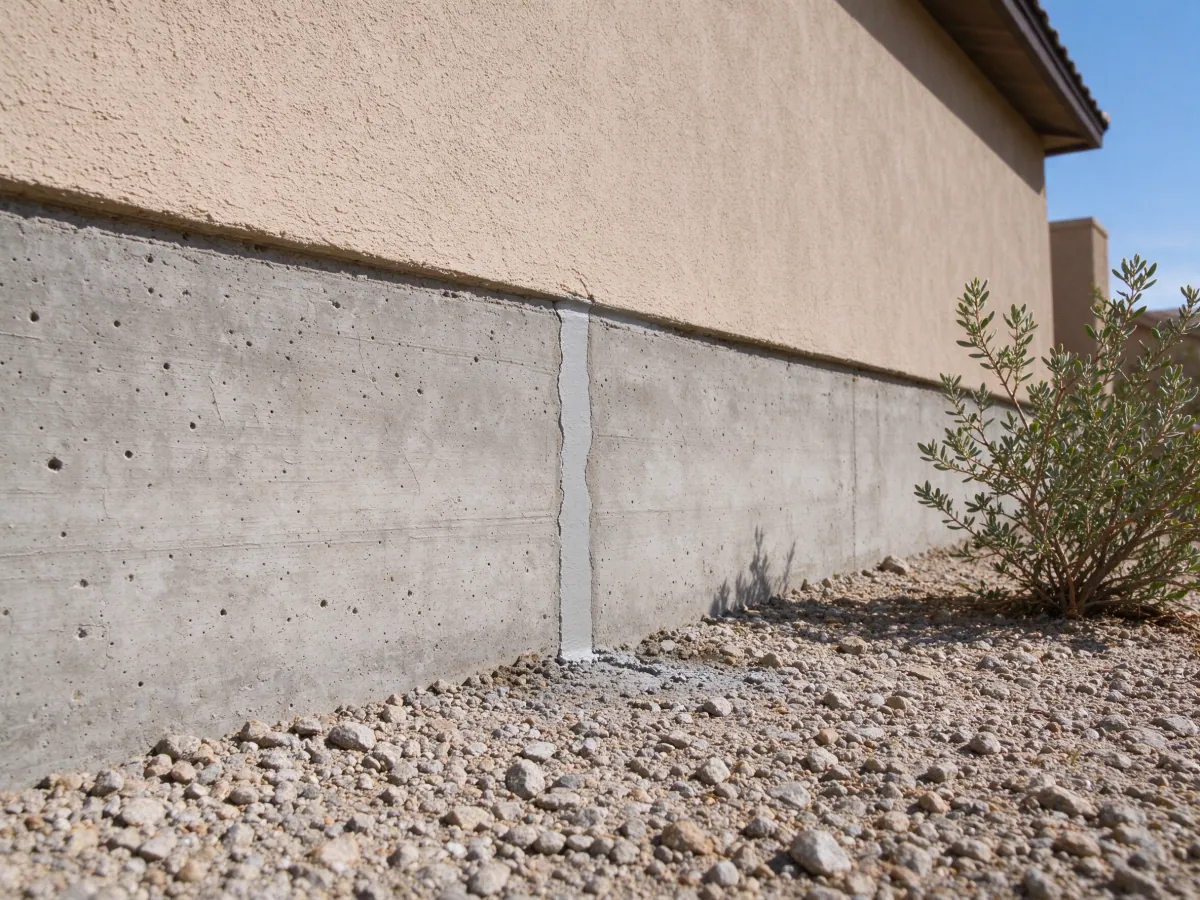
After the work, review the specified completion records and restored surfaces against that scope. Keep photographs and any monitoring recommendation with the earlier reports. If a new symptom appears, those records give the next assessment a useful history. The goal is an understandable repair decision, not simply a newly painted line.
Included in the defined scope
- Review of visible crack patterns and available repair records
- Defined crack treatment and preparation requirements
- Written limits on structural, sealing and finish work
- Completion requirements stated in the agreed scope
Compare the repair paths
| Method | Potential fit | Important limit |
|---|---|---|
| Epoxy injection | Suitable concrete cracks needing a specified bonded repair | Active movement or unsuitable concrete can defeat the repair |
| Polyurethane injection | Suitable water-path sealing within a defined crack | Sealing does not create a new structural support path |
| Structural stabilization | A diagnosed support problem contributing to cracking | Requires its own assessment and designed scope |
Related resources
- Why do drywall cracks keep returning after repair?
- How much does foundation crack repair cost in North Las Vegas?
- What do stair-step cracks in a wall mean?
- How do structural and nonstructural foundation cracks differ?
- How do I evaluate foundation problems before buying or selling a home?
From the first concern to completion
First conversation
Property, symptoms and available records.
Assessment
Define measurements, investigation and design.
Work
Follow the agreed scope and required checks.
Completion
Review specified records and restoration.